
How We Make Montmorency Cherry Capsules & Concentrate
How We Make Our Montmorency Cherry Capsules & Concentrate
From a Northern Michigan family farm: not a trend, a process.
We’ve been getting a lot of questions about whether our products are “cold-pressed,” heat-processed, or made from an extract. That language is everywhere online right now. We get why people ask. You want to know how your food is made and you want real fruit, not a formula with a pretty label.
Here’s our actual process, straight from the farm.

Who grows the fruit
We grow Montmorency tart cherries here in Northern Michigan, north of Traverse City. John King started this orchard in 1980. Today we’re a second-generation family farm.
Every cherry in our bottles and capsules is Montmorency, the variety that shows up in the research people ask us about, and the variety named on our labels. Not a vague “tart cherry” blend. Montmorency.
Our own orchards are the heart of our harvest. When we need more fruit than our trees give us, we supplement only with Montmorency tart cherries grown in the USA.
When you buy from us, you’re not guessing where your fruit came from or who stands behind it. You can visit, call, or reply to an email. The team talks to customers about process and ingredients every day.
From orchard to press
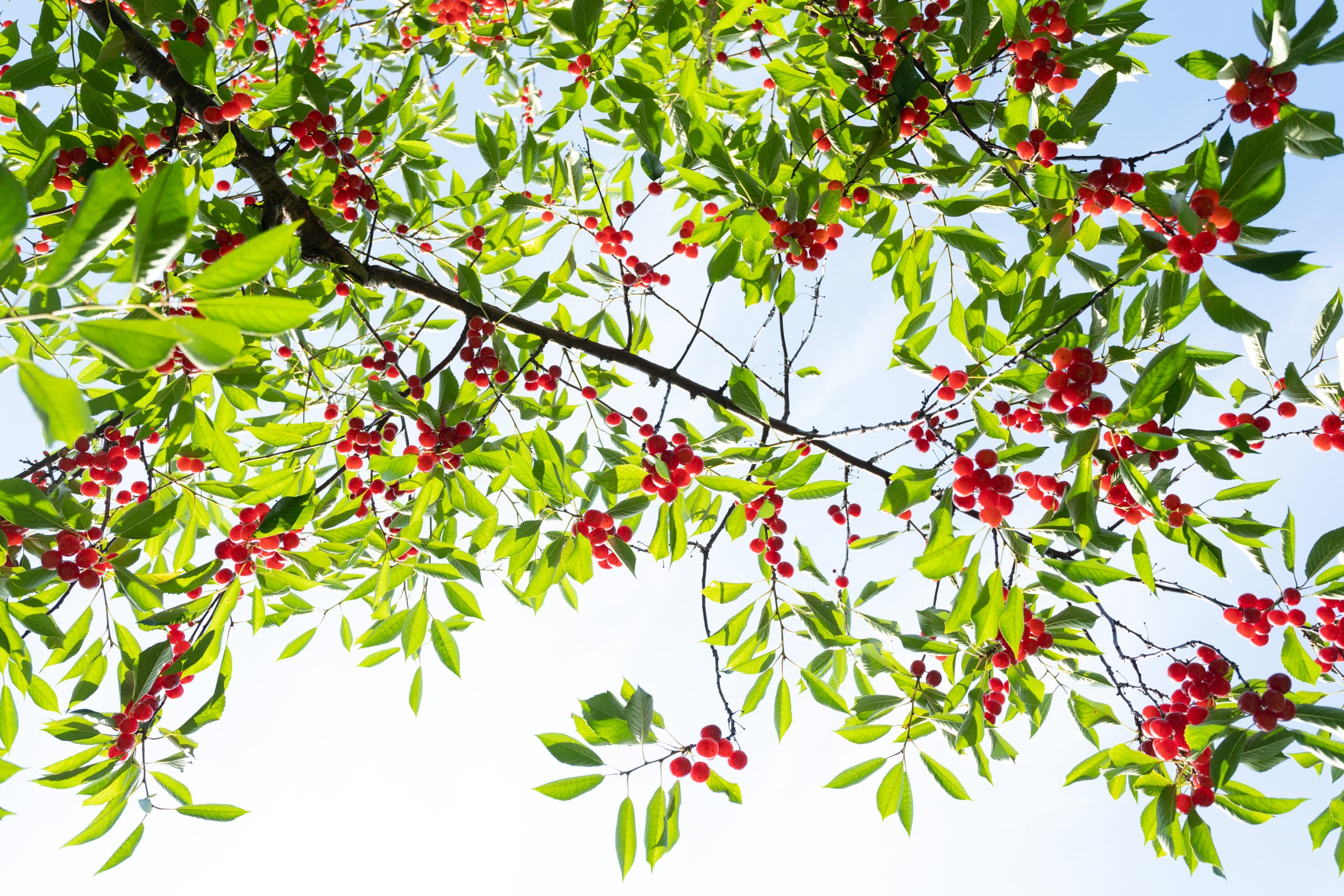
In July, when Montmorency tart cherries are tree-ripened just right, we harvest them and move fast. Tart cherries don’t wait around like grocery-store sweet cherries. That’s why you see them frozen, dried, in concentrate, and in capsules more often than “fresh” on a distant shelf.
First, the cherries are pressed and the juice is extracted.
What happens next is how we get two products from one harvest, without throwing away what still has value.
How we make the concentrate
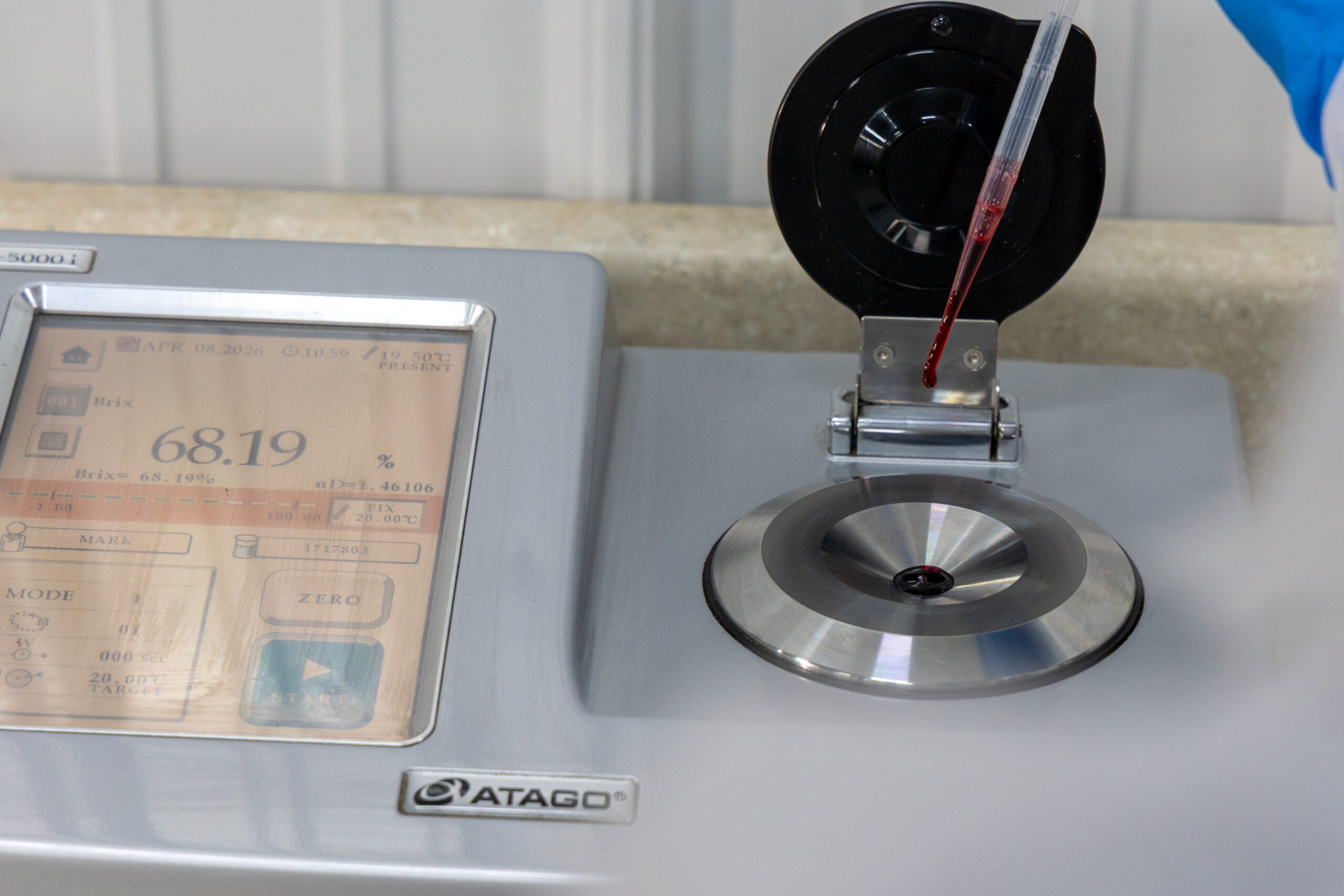
The juice is concentrated to 68 Brix through a slow evaporation process, about 7 times stronger than single-strength juice. That’s the industry high end, and it’s how we deliver a stable, potent concentrate made from Montmorency tart cherries.
- No added sugar
- No preservatives, just concentrated Montmorency juice
Because we prioritize color, flavor, and the benefits people seek from Montmorency, we don’t treat this like a shelf-stable soda. For long-term storage, concentrate should be refrigerated or frozen (it won’t freeze solid). That choice is about quality you can taste and see: bright and tart, not brown and prune-like.
Recommended serving: About 1 oz per day (some sleep-related routines use morning and evening; see our nutrition and benefits pages for study context). We’re not doctors. If you have health questions, talk to yours.

How we make the capsules
After pressing, the skins and pulp remain. That material is freeze-dried and put into a vegetarian capsule.
- Convenient for travel
- Easy if you’re watching sugar, less than 1 gram of sugar per capsule
- Tart cherry without mixing juice
So the concentrate is the juice. The capsules are the rest of the cherry. Nothing gets thrown away that doesn’t need to be.
One ingredient: Montmorency tart cherries.
Capsules or concentrate: which is right for you?
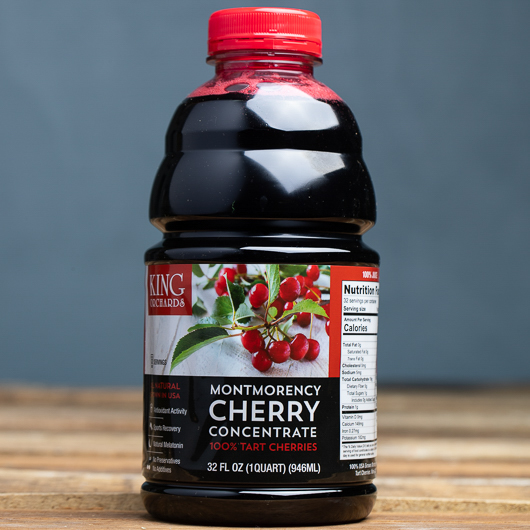
Concentrate
From: The juice
Best for: Mixing into water, smoothies, yogurt, vinaigrettes
Sugar: Natural sugars from the fruit (no added sugar)
Storage: Fridge or freezer
Capsules
From: The skins & pulp
Best for: Travel, routine, lower sugar
Sugar: Less than 1 g per capsule
Storage: Cool, dry place (follow label)
Some of our customers take both. Some stick with one. They’re made from different parts of the same cherry, not the same product in two forms. If you’re not sure, reply to any email or call us. We walk people through it every day.
What “cold-pressed” actually means (and what matters more)
“Cold-pressed” is a marketing word. A farm is an address you can visit.
“Cold-pressed” shows up a lot on social media right now. For olive oil, it has history. For Montmorency cherries, it doesn’t have a clear, agreed meaning, but it sounds like a gold standard, so people ask.
Here’s what we want you to know: fruit that will be shipped as juice or concentrate has to be processed in ways that keep it safe and stable. Heat and process steps aren’t automatically “nutrients destroyed = pale pink powder.” Color, variety, origin, and what’s in the capsule matter more than a trending phrase.
What actually matters:
- Where the fruit was grown, and by whom
- What went into the product (Montmorency? One ingredient? Fillers?)
- How it was concentrated or dried (juice to 68 Brix; skins and pulp freeze-dried)
- Whether you can talk to the people who made it
That’s the difference between a trend and a farm.
How to read a tart cherry label
Before you buy any capsule or concentrate, ours or anyone else’s, ask:
- Does it say Montmorency or only “tart cherry”?
- Does it say grown in the USA, or only “tested” or “manufactured” here?
- Can you talk to the people who made it?
If you’re looking for the benefits studied on Montmorency tart cherries, look for Montmorency on the label, not a vague “tart cherry” statement.
Know your farmer
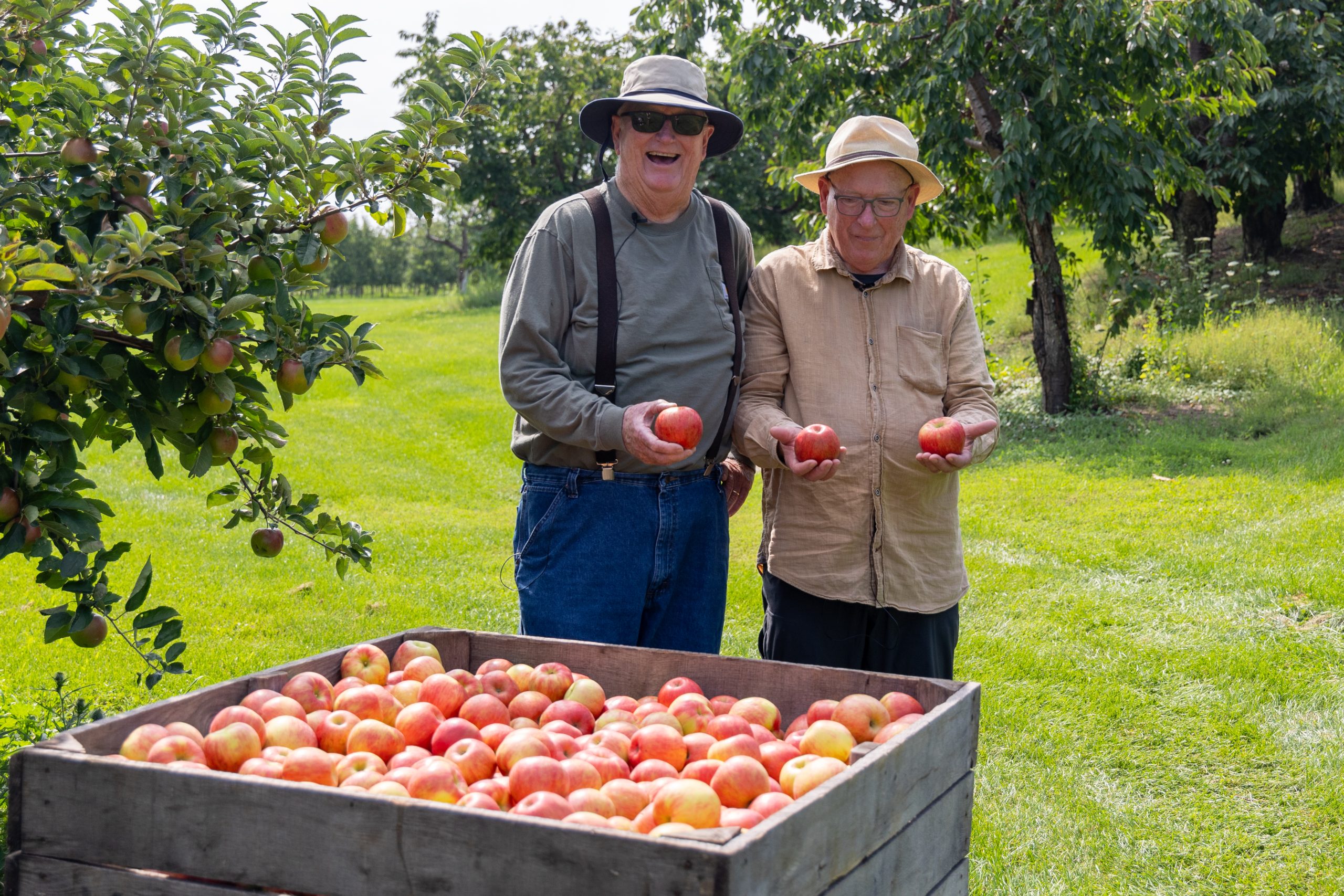
We’re not a warehouse brand with a story layered on later. We’re a family orchard in Northern Michigan. You can visit our markets, walk the orchards where we grow our cherries, and ask us anything about process or ingredients.
If something still isn’t clear after you read this page, reply to our emails or contact us. We’ll answer.
Frequently asked questions
“Cold-pressed” isn’t a clear standard for Montmorency cherries the way people use it online. We press our cherries, concentrate the juice to 68 Brix through slow evaporation, and freeze-dry the skins and pulp for capsules. What matters to us is origin, variety, ingredients, and quality, not a trending word.
We grow Montmorency tart cherries on our family orchards in Northern Michigan. When we need more fruit than our trees give us, we supplement only with Montmorency tart cherries grown in the USA.
Our capsules are made from freeze-dried Montmorency skins and pulp, fruit powder in a vegetarian capsule, not a mystery extract blend.
No added sugar in the concentrate or the capsule powder. Concentrate has the natural sugars of the fruit. Capsules have less than 1 gram of sugar per capsule.
We choose process and storage that protect the bright color and tart flavor people expect from Montmorency. Store concentrate in the refrigerator or freezer.
Yes. Some customers do. They’re different parts of the cherry. Start with one format if you’re new, or ask us for help choosing.
See Understanding Cherry Benefits and Tart Cherry Nutrition. We’re happy to point you to resources; we’re not doctors and we don’t promise cures.
Want the research behind Montmorency? Read Understanding Cherry Benefits.